
ADPO News
-
EDPB adopts new DPIA Template
The EDPB has published a standardised Data Protection Impact Assessment (DPIA) template, supported by clear explanatory guidance, to help organisations structure and evidence DPIA processes more effectively. While use of the template is voluntary, it is designed to promote completeness, consistency and efficiency and is currently subject to public consultation until June 2026.
-
EDPB launches its CEF action for 2026 on transparency and information obligations
On 19 March 2026, the European Data Protection Board (EDPB) launched this year’s Coordinated Enforcement Framework (CEF) action, focusing on compliance with the GDPR’s transparency and information obligations. Under Articles 12, 13 and 14 of the GDPR, individuals must be informed when their personal data is being processed. This right to be informed is a…
-
Release of Census 1926: A Census Shaped by a New State
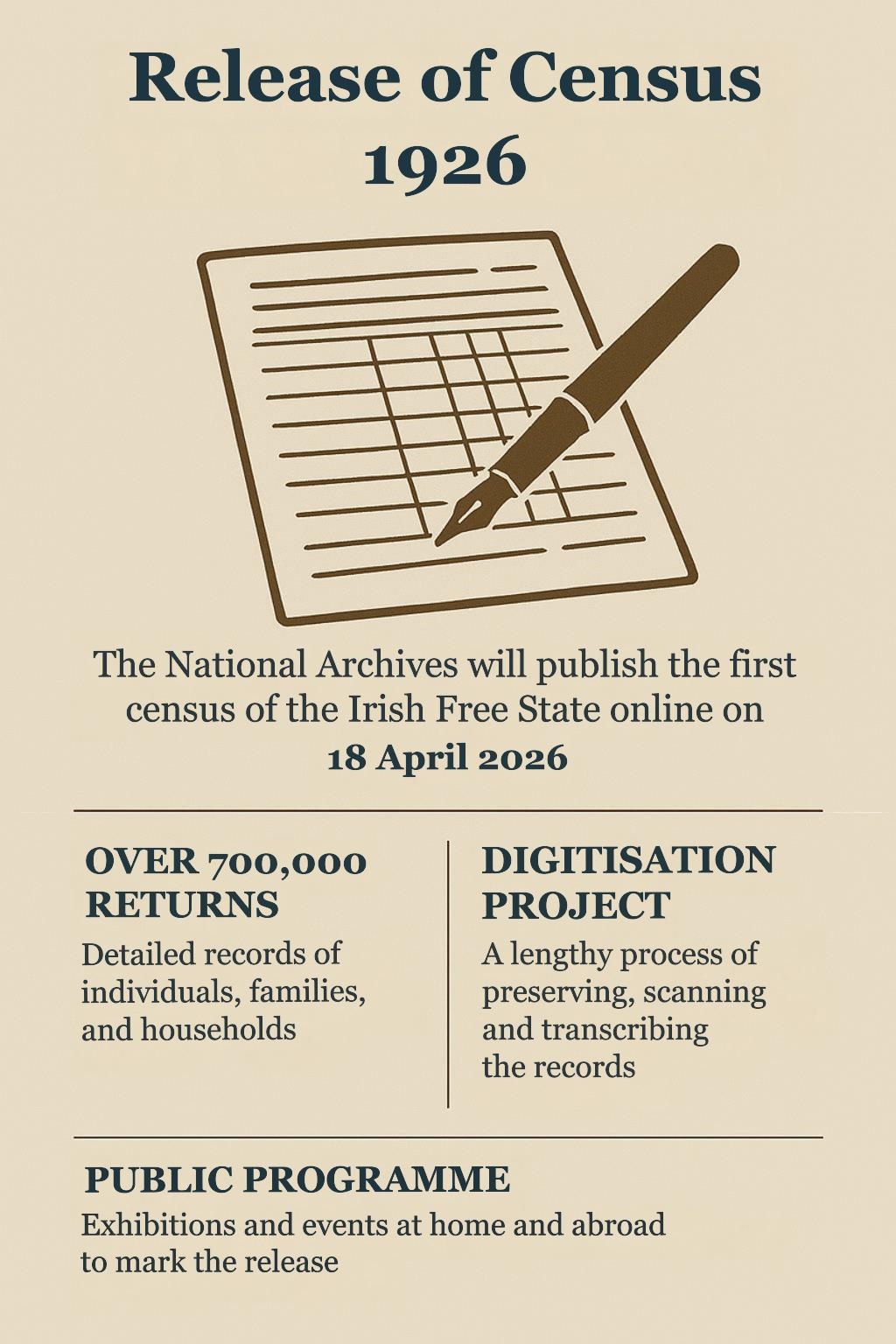
The release of the 1926 Census, the first of the Irish Free State, is scheduled for 18 April 2026. This marks one of the most significant archival events in modern Irish history. For the first time, more than 700,000 individual household returns from the first census taken after independence will be made available online, freely…
-

Ireland’s New Regulation of Artificial Intelligence Bill 2026: What It Means for People, Organisations, and the Future
Ireland’s Regulation of Artificial Intelligence Bill 2026 marks one of the most significant developments in national technology governance in recent years. Designed to give full domestic effect to the EU Artificial Intelligence Act (AI Act), the Bill establishes the legislative, regulatory, and institutional architecture required for Ireland to supervise, enforce, and support the safe deployment…
-

ADPO Podcast: Episode 1: Interview with Peter Craddock
-

The Digital Omnibus: Simplifying Europe’s Digital Rulebook and Its Impact on Ireland
As part of its drive for simplification, the European Commission has announced plans for a Digital Omnibus package. Its primary aim is to reduce bureaucratic reporting obligations for businesses and harmonise the EU’s increasingly complex digital regulatory landscape. The European Commission’s Digital Omnibus Regulation represents a landmark effort to simplify and modernise the EU’s digital…
-
AI and PETs
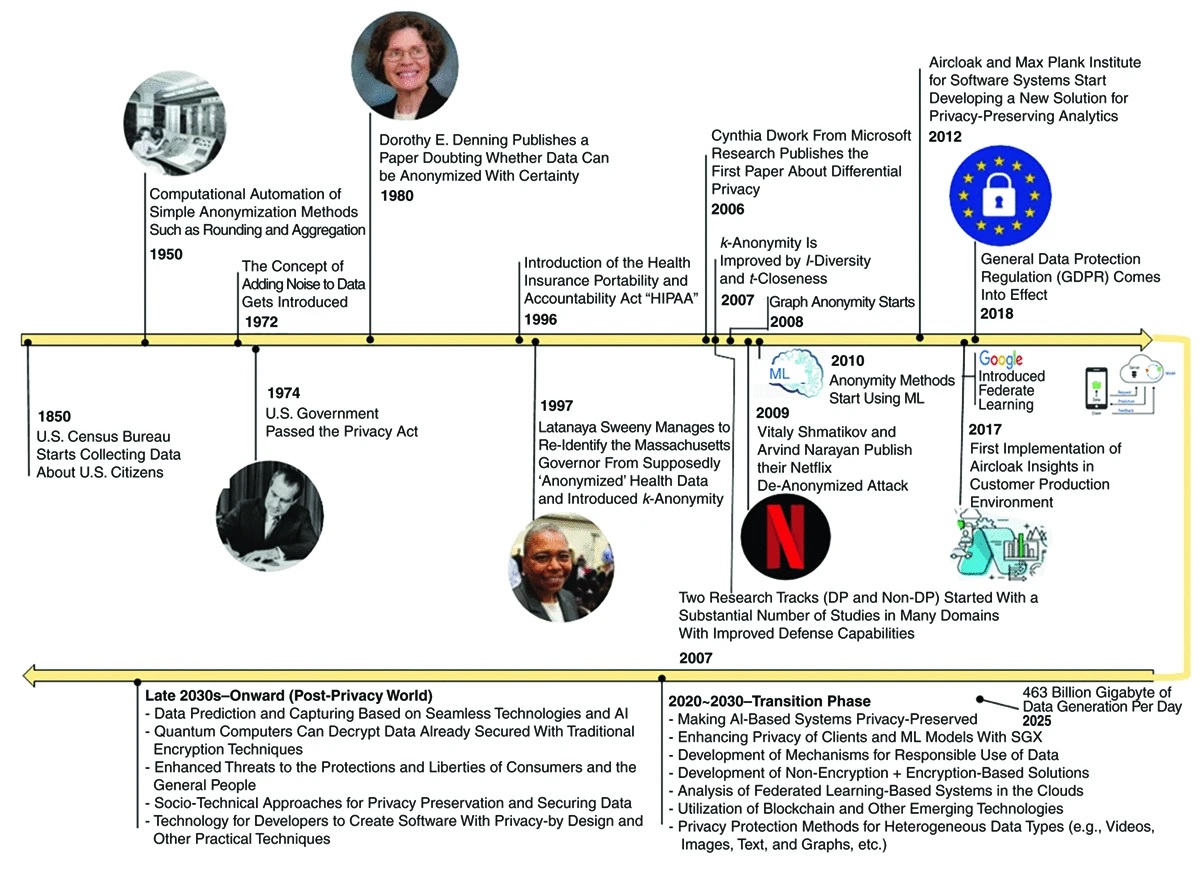
This article examines how privacy-enhancing technologies (PETs) support secure data use in AI systems. It outlines key PETs, their categories, and their role in protecting both system owners and users. Emphasising data protection by design, it highlights legal considerations and the importance of careful deployment to ensure compliance and privacy.
-

ICS Fellows Lunch
25 September 2025 – St Stephen’s Green Club, Dublin The Irish Computer Society (ICS) held its annual Fellows Lunch on 25 September 2025 at the St Stephen’s Green Club, Dublin. The event brought together long-standing and newly appointed Fellows to celebrate achievement, leadership, and contribution to the ICT community in Ireland. Newly appointed President Paula…
-

Welcoming Our New President Paula Carney-Hoffler Shares Her Vision
Dear Members, It is with immense pride and gratitude that I write to you as the newly appointed President of the ICS. Stepping into this role is both a privilege and a responsibility, and I hold within me a deep respect for the legacy and future of our society. Earlier this month, I had the…
-

What are the obligations for deployers of high-risk artificial intelligence (AI) systems under the EU AI Act?
Written by Kieran Harte The EU’s Artificial Intelligence Act entered into force on 1 August 2024. In the context of the AI Act, deployers are responsible for ensuring the safe and compliant use of AI systems as they are rolled out. Organisations deploying high-risk AI systems must prepare to meet a complex set of obligations by 2…